• Skip to primary navigation
  • Skip to main content
  • Skip to primary sidebar
  • Skip to footer
VISIT US IN LIVERMORE, CA
CALL NOW (925) 447-1729
The Ranch Pet Resort & Spa

The Ranch Pet Resort

Premium dog & cat boarding, dog daycare, play groups, dog & cat grooming, and more!

  • Pet Boarding
    • Dog Boarding
    • Cat Boarding
  • Dog Daycare
  • Dog Grooming
  • Dog Training
  • Reservations
  • Our Reviews
  • About Us
    • About Us
    • Blog
    • Reviews
  • Contact
    • Reservations
    • Our Location
    • Contact Us

Healthy and safety tips

November is National Senior Pet Month

November 21, 2024 by Michelle Bedard

November is National Senior Pet Month, a month devoted to honoring senior pets, focusing on their needs, and raising awareness for senior animals who need homes.

According to Dr. Heidi Lobprise of Senior Pet Advocates, pets are living longer due to the advancements in veterinary care, foods, and medicines. As pets age, their needs change, so the month of November has been dedicated to drawing attention to our beloved senior pets.

At What Age is a Pet Considered a Senior?

The age a pet becomes a senior varies according to their size and breed. However, the average age of a senior dog is determined to be around 7 years while a cat is considered a senior at 11 years of age (source).

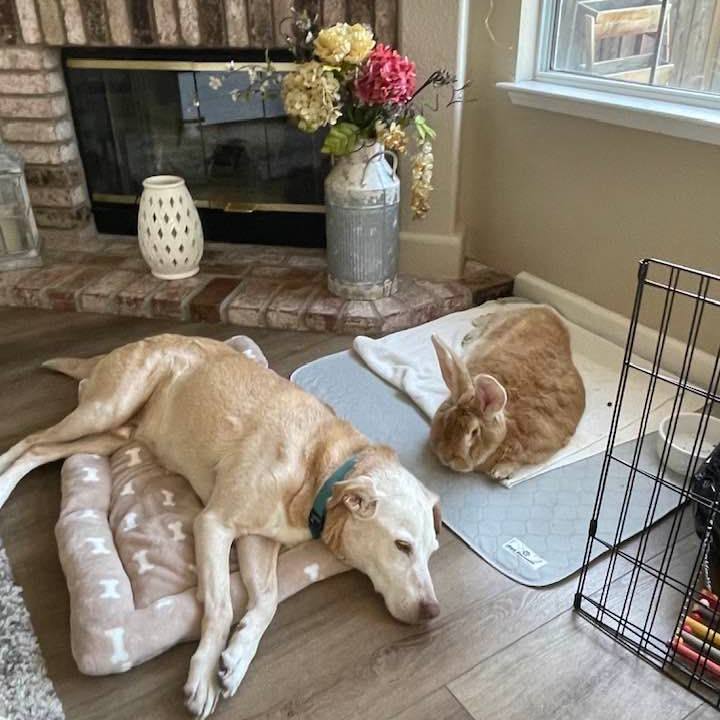
By this age, pets are calmer and more settled into a routine. The days of chewing apart furniture, shoes, toys, clothes, plants, and anything they can get into their mouths is over, and senior pets are more satisfied being on a comfortable bed alongside their owners and partner pals.

Medical Needs for Senior Pets

As pets age, their needs change and senior pets require additional care including, but not limited to, “…more frequent examinations, diagnostics, and nutritional and behavioral counseling.”

Senior pets are more prone to developing certain diseases and conditions as they age. These include:

  • Arthritis: A frequent cause of chronic pain in older pets, arthritis occurs when a joint becomes unstable, leading to abnormal bone movement.
  • Cancer: A leading cause of death in senior pets, cancer involves an overgrowth of cells that can overwhelm the immune system.
  • Dental disease: This painful condition often goes unnoticed in senior pets due to its gradual progression.
  • Kidney disease: Common in older dogs, this condition can result in incontinence and changes in body odor.
  • Heart disease: Especially prevalent in small senior dogs, untreated heart disease can lead to congestive heart failure.
  • Cognitive dysfunction: Similar to Alzheimer’s or dementia in humans, this condition affects mental function in older dogs.
  • Diabetes: A common issue in older pets, diabetes occurs when the body can no longer properly process glucose.
  • Cataracts: A frequent condition in older pets, cataracts cause the eye’s lens to become cloudy, creating a whitish appearance over the eye. Cataracts can result from trauma or infection and may lead to blindness if untreated.
  • Glaucoma: A common issue in senior dogs, especially in certain breeds. There are two types: primary glaucoma, caused by poor drainage of eye fluid, and secondary glaucoma, which occurs from physical injury to the eye.
  • Corneal Ulcers: A genetic condition that typically affects middle-aged or older dogs. If untreated, corneal ulcers can lead to vision loss.

It’s crucial to monitor any changes in your pet’s behavior or signs of health issues and consult a veterinarian promptly. Many conditions can be treated or managed, helping to enhance the quality of life for senior pets.

Adopt a Senior Pet

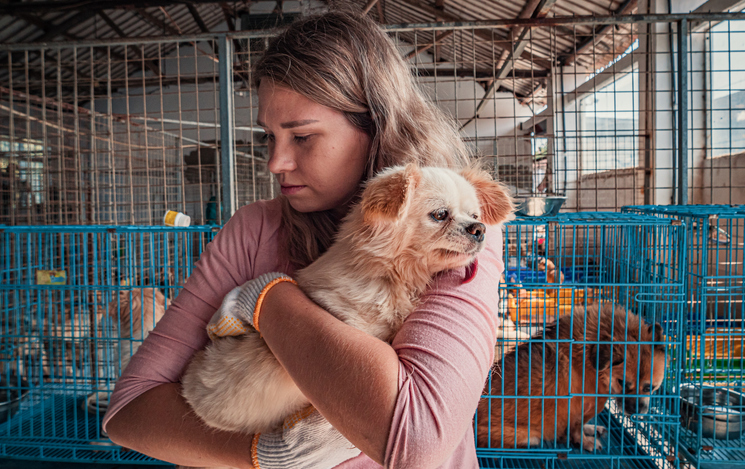
Our shelters are full of senior pets looking for homes. If you could fill your heart and home with a senior pet, you would be giving a displaced dog or cat a second or third chance at life.

Senior pets don’t need as much time and attention as younger pets, are more settled and some say, more appreciative. Their personalities are already developed, some are already trained, and all you have to provide is food, shelter, water, love, and companionship. It’s a win-win for all!

If you are looking to adopt a senior, check your local rescue organizations and shelters. Bring home a Senior Dog and do your part during National Senior Pet Month.

Filed Under: Dog News, Healthy and safety tips, Pet Care Tagged With: adopt a pet, medical issues for senior pets, national senior pet month, senior cats, senior dogs

Periodontal Disease in Dogs: A Serious but Preventable Health Concern

November 15, 2024 by Michelle Bedard

Periodontal disease, often referred to as dental disease, is one of the most common health problems in dogs. It affects not only the teeth but also the gums and the bone structures that support the teeth.

This progressive condition can lead to significant pain and discomfort for your pet, and if left untreated, it can cause more serious health issues that extend beyond the mouth.

Causes of Periodontal Disease

Periodontal disease starts with the accumulation of plaque—a sticky, colorless film of bacteria that naturally forms on the teeth after eating.

If this plaque is not regularly removed, it hardens into tartar, which adheres to the teeth and irritates the gums. The tartar, especially when it builds up under the gum line, triggers inflammation in the gum tissues (gingivitis) and can eventually lead to more advanced periodontal disease.

Over time, the bacteria in the tartar cause the gums to recede, exposing the tooth roots and leading to bone loss. Without intervention, this process can result in loose teeth, infections, and even tooth loss.

Symptoms of Periodontal Disease

Periodontal disease often goes unnoticed in its early stages because dogs can be very good at hiding discomfort. However, as the disease progresses, there are several signs that may indicate a problem. These symptoms can include:

  • Discolored teeth: Yellow or brown tartar deposits are visible, especially near the gum line.
  • Loose or missing teeth: As the bone around the teeth weakens, teeth may shift or fall out.
  • Bad breath: Persistent foul odor from the mouth is a hallmark of dental disease.
  • Weight loss: The pain associated with chewing may cause your dog to eat less or avoid food.
  • Red, swollen, or bleeding gums: Inflammation and infection often lead to noticeable gum changes.
  • Irritability or behavior changes: Dogs in pain may become more irritable or withdrawn.
  • Chewing on one side: Your dog may favor one side of the mouth due to discomfort.
  • Excessive drooling: Pain or difficulty swallowing may lead to increased salivation.
  • Pawing at or rubbing the face: This could be a sign of pain or irritation in the mouth.

Risk Factors of Periodontal Disease

Certain factors can increase a dog’s risk of developing periodontal disease. Small-breed dogs are particularly vulnerable because their teeth tend to be crowded, which creates more areas for plaque and tartar to accumulate.

Older dogs are also at higher risk since dental disease is progressive and becomes more severe with age if not addressed.

Short-muzzled breeds (brachycephalic), like Bulldogs and Pugs, are more prone to dental issues due to the structure of their jaws and teeth.

Additionally, diets that consist mainly of soft foods and a lack of regular dental care, such as tooth brushing, can accelerate the development of periodontal disease.

Prevention and Treatment of Periodontal Disease

Early detection is crucial in preventing the progression of periodontal disease. Regular dental checkups and cleanings by your veterinarian are important, especially for dogs that are at higher risk.

A veterinarian or veterinary dentist will typically recommend a professional dental cleaning under anesthesia, during which the teeth are cleaned both above and below the gum line, and any loose or infected teeth may be extracted.

At home, prevention is key. Regular tooth brushing is one of the most effective ways to prevent plaque buildup. Special canine toothbrushes and toothpaste (never use human toothpaste) can help keep your dog’s mouth healthy.

There are also dental chews, treats, and water additives designed to reduce plaque and tartar. Feeding your dog a balanced diet, and avoiding excessive amounts of sugary or soft foods, can also help maintain good oral health.

Complications of Untreated Periodontal Disease

If left untreated, periodontal disease can have serious consequences beyond the mouth. The bacteria responsible for the disease can enter the bloodstream through the inflamed gums and travel to other organs, potentially leading to more systemic health problems.

The kidneys, liver, and heart are particularly vulnerable, with some dogs developing life-threatening conditions like kidney disease, liver inflammation, or bacterial endocarditis (an infection of the heart’s inner lining).

These complications underscore the importance of addressing dental disease early to avoid severe health risks.

Preventing Periodontal Disease in Your Dog

Periodontal disease is a preventable yet potentially dangerous condition in dogs. By recognizing the early signs and seeking veterinary care, you can help ensure your pet’s comfort and overall well-being. Regular dental care, both at home and through professional cleanings, is vital for preventing the progression of the disease and safeguarding your dog’s long-term health.

Filed Under: Healthy and safety tips Tagged With: dog care, dog health, oral health disease in dogs, periodontal disease

Ways to Keep Your Pet Safe this Fourth of July

June 28, 2024 by Michelle Bedard

Fourth of July, the Nation’s birthday, is a time for fun, family, friends, food, and fireworks in some areas. But for our furry friends, who aren’t used to the crowds, noises, amount of people, and certainly the boom of explosions, this can also a time of fear and anxiety.

The Ranch Pet and Resort and Spa offers these suggestions to keep your pets safe this Fourth of July.

  • Keep your pets home while you enjoy Fourth of July festivities. Not only can the experience cause stress and anxiety, the hot weather can cause stroke or heat exhaustion.
  • Put a GPS tag on your pet’s collar in the event it does escape. The Fourth of July is one of the busiest times of the year for already over-crowded shelters, and you want to make sure you get your dog or cat back.
  • Bring your cats and dogs inside well before fireworks could possibly go off. Even in areas where fireworks are not allowed, some people will set them off. With your dog and cat inside the house, you eliminate, or at least severely decrease, the possibility that your pet can escape.
  • Consider putting a Thundershirt or tight piece of clothing on your cat or dog to make it feel safe.
  • Turn on the TV or radio to eliminate or diffuse the sounds of fireworks.
  • Close all windows and doors. Close curtains to eliminate visual stimulation.
  • Provide a safe and quiet space for your pet to retreat in the event it gets scared and wants to hide. A crate or room can serve as a safe place to retreat while you enjoy the nights’ events. Include toys, treats, and lots of blankets to hide under.
  • Provide air conditioning, cooling blankets, and plenty of fresh water for your pets to keep cool.
  • For severe trauma, ask your veterinarian about anxiety medications or CBD products.
  • Consider hiring a pet sitter to stay with your dog or cat while you go out.
  • Be very careful when opening the door or allowing your dog outside to go to the bathroom. Even the most well-behaved and most trusted dog can get spooked and run away.
  • Make sure your dog or cat is wearing a collar with your current address or phone number on it.
  • Put a leash or harness on your dog when taking it out to the bathroom in the event it gets spooked.
  • Check all fences for loose boards and secure all latches on gates and doors.
  • In the event your dog does escape, immediately put an alert out to your Neighborhood Outlets such as Nextdoor and social media platforms. Put up fliers around the neighborhood, vet offices, and make a report with your nearest animal shelter while you look for your dog.
  • Microchip your pet! You have a much higher chance for getting your pet back.

Happy Fourth of July from The Ranch Pet Resort and Spa

The Ranch Pet Resort and Spa wishes you, your family, friends, and pets a very happy Fourth of July. Celebrating the birthday of our nation is a time to celebrate, and we want to make sure all of you enjoy the day while keeping your pets happy and safe as well!

Filed Under: Healthy and safety tips, Holidays, Uncategorized Tagged With: fireworks, fourth of july, pet safety tips

Hot Weather Reminders for Our Furry Friends

June 19, 2024 by Michelle Bedard

Summer is right around the corner, and The Ranch Pet Resort and Spa wants to remind you to protect our furry friends during the hot weather. Whether you’re at home, traveling, or driving, it’s important to remember that our pets can’t cool off like we can.

Tips to Keep Your Dogs and Cats Cool During Hot Weather

Dogs pant to cool off and cats cool off by grooming themselves and releasing heat through their paw pads. We can help our pets cool off with some planning and preparation.

Here are some tips to keep your dogs and cats cool during hot weather:

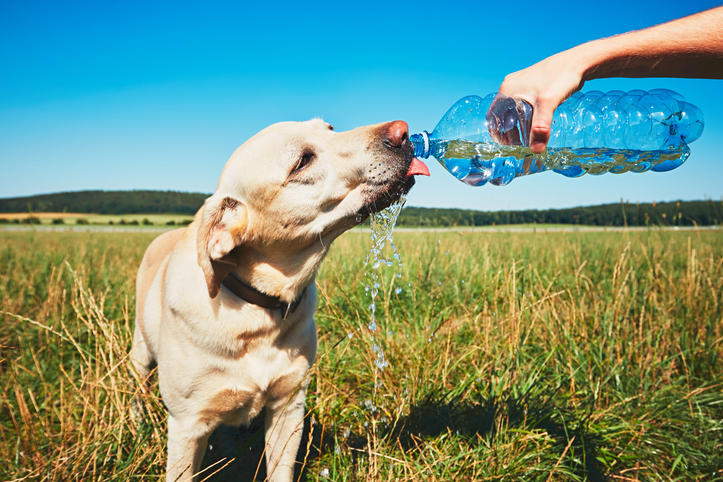
  • Always provide fresh, cool drinking water
  • Only exercise your pets during cooler weather
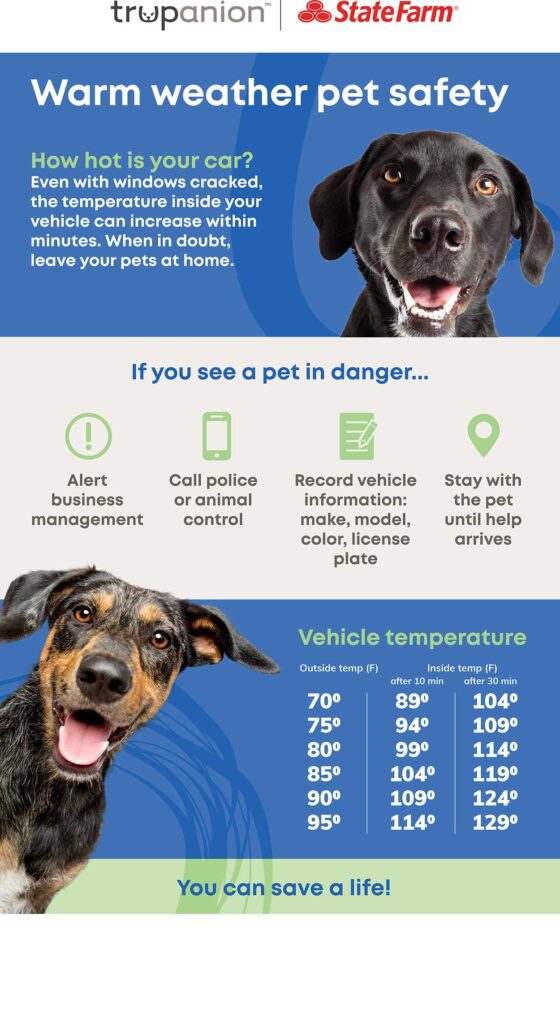
  • Never leave your pet in a car even if you think it is not hot outside; the weather inside a car can heat up quickly in a short amount of time
  • Close blinds, shades, and curtains to cool down a room
  • Provide a cooling towel, mat, or pad for your pet to rest on or near
  • Use a fan inside but allow your dog to get relief from its cooling breeze
  • Place ice cubes or ice treats in your dog’s water or dish; these also provide fun toys for cats to play with. Since their paws absorb heat, playing with ice treats can keep your cat cool
  • Fill a shallow pool with water to play or splash around in
  • Use a mister or sprinkler for outside, cooling fun
  • Bring dogs and cats inside with air conditioning, fans, or open windows; animals can easily overheat just by lying in the sun

Signs of Heatstroke in a Dog or Cat

In the event that you think your dog or cat is overheated, be aware of these symptoms:

  • Panting in cats-cats don’t pant naturally like dogs do. In the event your cat is panting, this may be a sign that your cat has heatstroke.
  • Glazed eyes
  • Lethargy
  • Lack of appetite
  • Loss of balance or wobbly walking
  • Difficulty breathing
  • Rapidly beating heart
  • Vomiting
  • Seizures
  • Gums or tongue being exceptionally red
  • Collapsing

If you see any of these signs in your dog or cat, please contact your vet immediately. Take your pet to a cooler location, or place in front of a fan, place a cool towel on your pet, and give your dog or cat cool water but not ice water. Cool the pet slowly, not quickly, as that can be more dangerous.

For a Fun Summer Getaway for Your Dog or Cat, Consider The Ranch Pet Resort and Spa

If you are looking to get away for the summer, consider sending your dog or cat to The Ranch Pet Resort and Spa. Our dog suits and cat condos are temperature-controlled to keep your pet safe, cool, and happy.

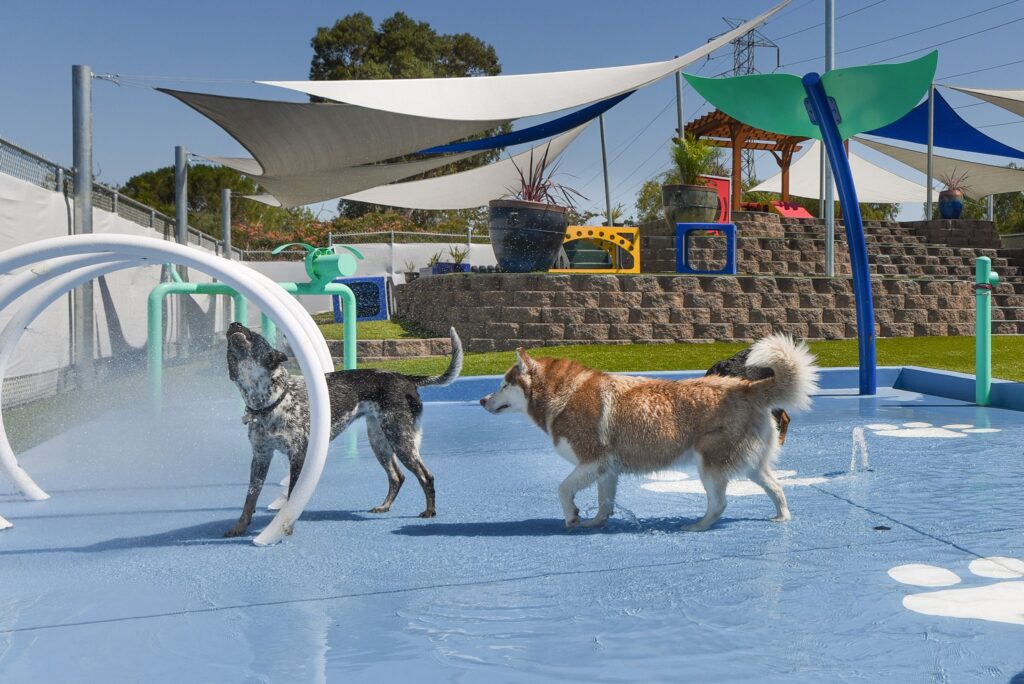
Our state-of-the-art water park offers a fun time for dogs to splash in water and stay cool. Even dogs who didn’t like water have a great time running and splashing in the pool. It’s like summer camp for your dog or cat at The Ranch Pet Resort and Spa.

Contact us today for a stay and play for your dog or cat as we are filling up quickly!

Have a safe and fun summer and remember to keep cool!

Filed Under: Cat Care, Cat Tips, Dog Care, Healthy and safety tips, Pet Health and Safety Tips Tagged With: Dog boarding, doggie daycare, heat stroke in pets, hot weather tips for pets, warm weather pet safety, water parks for dogs

How to Protect Yourself and Your Dog from Coyotes

May 23, 2024 by Michelle Bedard

Summer is upon us and it’s not uncommon for many of us to want to take evening strolls or early morning walks with our dogs to avoid the heat of the day.

The East Bay, especially Livermore, offers so many beautiful hiking trails right in our own backyard! Between the warm summer breezes and beautiful views, it’s only natural to want to explore our area. When we explore with our best dog pal, the adventure is even better!

But let’s remember that we are sharing this beautiful area with Mother Nature, and it’s important to protect ourselves and our dogs from coyotes.

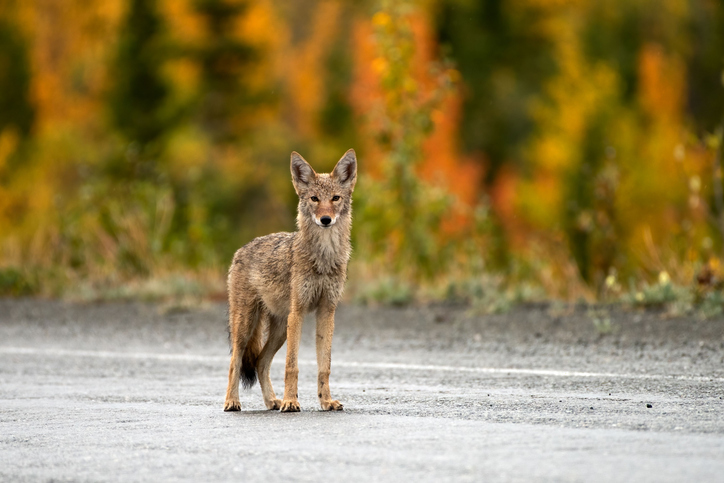
Coyotes are native to California and sitings of these animals are becoming more common especially on hiking trails where coyotes can be found hunting for food and protecting their dens.

Most of the time, coyotes will run when they come in contact with a human, but in areas where coyotes are becoming accustomed to humans, it’s important to take precautions to protect yourself and your dog when out and about.

Coyote Safety Precautions

The East Bay Regional Park District offers these coyote safety precaution tips:

  • Avoid hiking alone. In the case of emergency, you will have someone there to help you.
  • Be aware of surroundings and keep all senses on high alert.
  • Keep children within arm’s reach and dogs on leash.
  • Stay on trails and paths.
  • Never feed wildlife.

What To Do If You See a Coyote

It’s not uncommon for anyone enjoying Livermore trails to see a coyote. In the event you do, take the following measures:

  • Do not approach or engage with the coyote.
  • Maintain your distance.
  • Watch from afar and keep an eye on the coyote’s location and actions.
  • Remain calm.
  • Walk quickly, but do not run, from the area.

What to Do if a Coyote Approaches You

In most instances, a coyote will not approach you; if it does, keep yourself and your dog safe with the following tips:

  • Make yourself as big a possible and use loud and aggressive tones to scare away the coyote.
  • Wave your arms in constant motion.
  • Stare down the coyote. Maintaining eye contact can make coyotes uncomfortable and timid.
  • Slowly back away, but never turn your back on the coyote.

Sharing Our East Bay Hiking Trails with Wildlife

We are lucky to be able to share East Bay hiking trails with wildlife. Make sure to respect all wildlife while keeping yourself and your pet safe!

In the event of an emergency at a regional park, call 911 or the East Bay Regional Park District Public Safety line at 510- 881-1833 which is available 24/7.

For more information, visit Ebparks.org/safety.

Filed Under: Healthy and safety tips Tagged With: coyote safety tips, East Bay Regional Park, hiking with your dog, Livermore hiking trails

It’s National Hug Your Dog Day! But Does Your Dog Really Like to Be Hugged?

April 11, 2024 by Michelle Bedard

April 10 is National Hug Your Dog Day, but those of us at The Ranch Pet Resort and Spa know most dogs don’t like being hugged and can, in fact, stress them out. Hugging a dog is not a natural action for a dog, an in fact, it can cause a dog to feel tense, anxious, and trapped. Dogs show affection by loose body moves and by leaning into you.

The best way to show your dog you love him or her on National Hug Your Dog Day is to pet your dog on the chest, pat her on the head, or give her a good ol’ fashion belly rub!

At The Ranch Pet Resort and Spa, our dogs in doggie daycare or boarding are loved every day! For a list of fees or services, please click here. Pats and affection given daily!

National Dog Bite Prevention Week

The second week in April is also delegated as National Dog Bite Prevention Week. A great way to prevent being bitten is to be educated and aware of a dog’s propensity to bite with these tips:

  • Don’t hug a dog for the reasons mentioned above
  • Never approach an unfamiliar dog
  • Ask permission before petting someone’s dog
  • Watch the body language of a dog-avoid dogs that are tense or growling
  • Never run from a dog-whether in chase or on a “hunt,” the risk of being bitten goes up
  • Avoid touching dogs that are sleeping, eating, or protecting something
  • If a strange dog approaches, stand still with your hands to your side until it goes away
  • When meeting a dog, allow it to approach you, and offer a clenched fist
  • Avoid the face and mouth of a dog
  • Do not tug on a dog or allow children to crawl or climb on a dog. Even the most well-meaning dog is capable of biting
  • Avoid looking a dog straight in the eye
  • Never tease a dog
  • Socialize your dog
  • Spay and neuter your dog
  • Train your dog
  • Supervise children when near dogs and teach them to respect dogs and their bodies
  • Avoid moving quickly around a dog who may be startled and reactive
  • If possible, ignore a barking dog until it stops barking at you. Either remove yourself from the situation if it is not your dog or wait for the behavior to stop before interacting with the dog.
  • Never pin down, hit, or punish a dog for a natural behavior that you see as “aggressive” as doing so may cause the dog to become aggressive

Any Dog Can Bite

No one wants to believe their dog is capable of biting or causing harm or injury to anyone. But the fact remains, a dog who feel threatened, scared, trapped, or is under socialized and untrained is capable of biting.

Avoid the consequences of a biting dog by reading our tips, clicking on the links for more information, or enrolling in our behavioral training programs.

“Dogs don’t bit out of the blue. So stay safe and know the signs.”


Filed Under: Dog Care, Dog News, Dog Training, Healthy and safety tips, Pet Health and Safety Tips, Uncategorized Tagged With: bite prevention, dog care, national hug your dog day

  • « Go to Previous Page
  • Page 1
  • Page 2
  • Page 3
  • Page 4
  • Interim pages omitted …
  • Page 6
  • Go to Next Page »

Primary Sidebar

Recent Posts

  • Holiday Pet Travel Guide: Tips to Make Your Vacation Smooth and Enjoyable
  • Santa Paws is Coming to The Ranch Pet Resort and Spa
  • Keeping Your Cat Happy & Healthy: Simple Tips Every Cat Parent Can Use
  • Howl-o-Ween 2025
  • Bonding and Communication with Your Dog: Building a Stronger Connection

Dog Boarding

Our exclusive brand new pet resort means you never worry about boarding your pet!
Click Here

Dog Daycare

Playdates have never been more fun than at Dog Daycare!
Click Here

Footer

Contact Info

Address
4964 Tesla Rd.
Livermore, Ca 94550

Phone: (925) 447-1729

Email:
info@theranchpetresort.com

Hours of Operation

Mon – Fri : 7:00am – 7:00pm
Sat: 9:00am – 3:00pm
Sun: Closed

Holiday Hours

Unlike other pet care options, come rain or shine, 365 days a year, we have staff here caring for our furry guests in our state-of-the-art, secure facility.

Newsletter

Stay up-to-date with events and announcements!

Copyright © 2025 The Ranch Pet Resort
FacebookInstagram
LocationPrivacyTermsContact